On February 28, 2026,
QE Machine held its 2026 International Engineer Training Seminar in Shanghai, China, under the theme “Global Unite for Granulator Mastery.” Engineers from multiple countries joined the event for training and discussion focused on practical topics such as plastic crushing, silent size reduction, film/pipe/sheet recycling, equipment commissioning, and after-sales service.
This seminar was not simply a product presentation. It was a structured technical training program designed for QE Machine’s international engineering team. The agenda covered equipment structure, application scenarios, operating procedures, troubleshooting, maintenance suggestions, and case discussions from different markets, helping engineers better understand how QE Machine equipment is used in real production environments.
Opening Remarks: Clarifying the Training Objectives
At the opening session, Dr. Fan, CEO of QE Machine, welcomed the international engineering team and emphasized that service for recycling and size reduction equipment should go beyond simply “introducing the machine.” More importantly, engineers need to understand the customer’s actual site conditions, including material type, required output, available space, noise requirements, maintenance habits, and production rhythm.
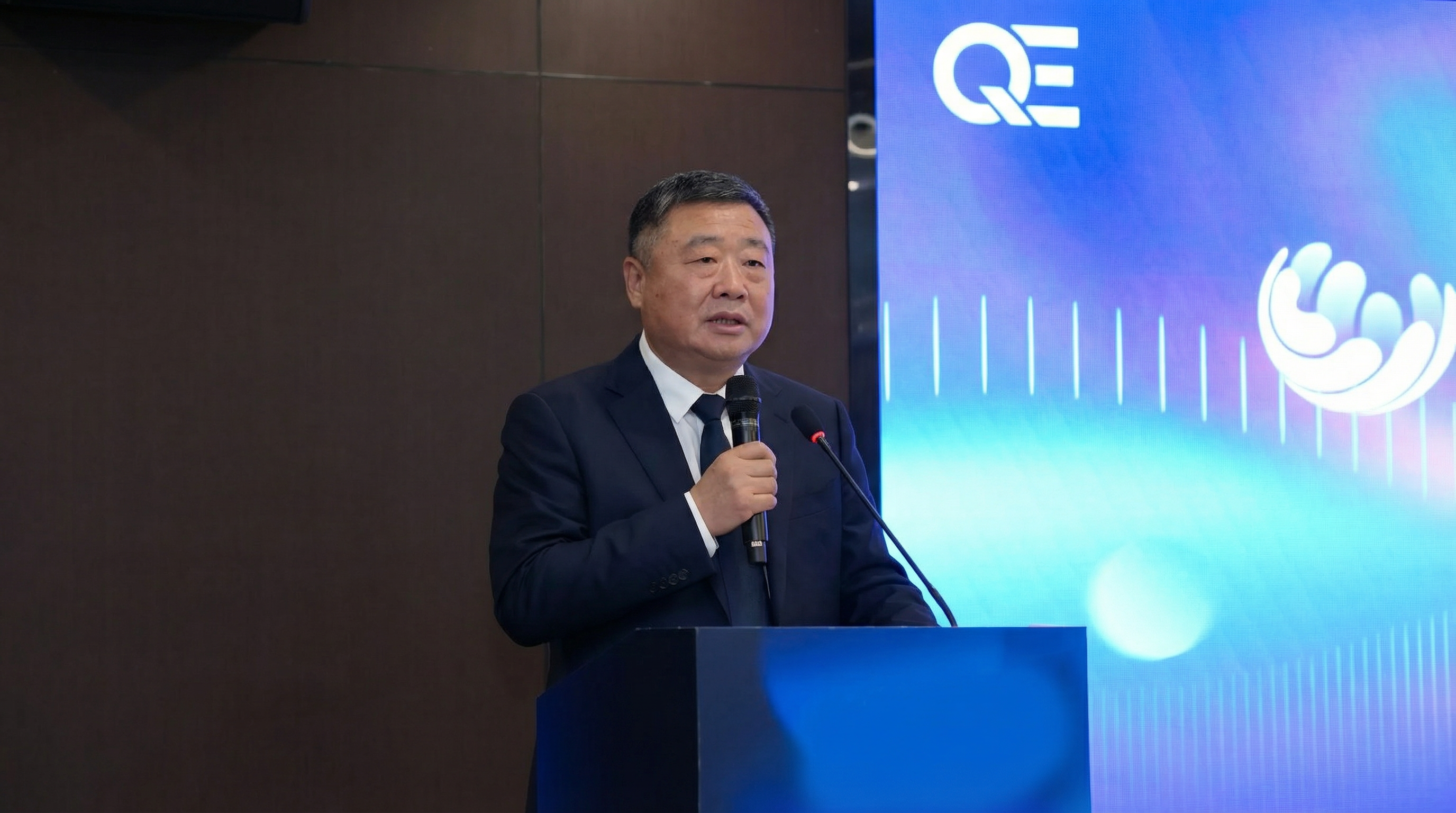
Dr. Fan noted that "the purpose of this training was to help engineers move from equipment parameters to real-world application, so that when facing customer questions, they can more quickly judge whether the machine is suitable, whether the configuration is reasonable, and whether follow-up maintenance will be convenient. In this way, the team can provide customers with more reliable technical support."
Technical Training: From Equipment Structure to Application Scenarios
The training sessions focused on several core QE Machine product categories, including plastic granulators, silent granulators, film/pipe/sheet recycling systems, and integrated granulation lines.
The main topics covered feeding methods, crushing chamber structure, knife configuration, screen selection, electrical control systems, safety protection, noise control, and daily maintenance. The engineering team also discussed how different materials behave during processing, including rigid plastics, film, pipe, sheet, and mixed edge trim.
For example, in film and lightweight material processing, the training focused on feed stability, winding risk, and output fluctuation. In pipe and sheet recycling applications, the discussion focused more on chamber size, knife strength, particle size control, and the stability of continuous operation.
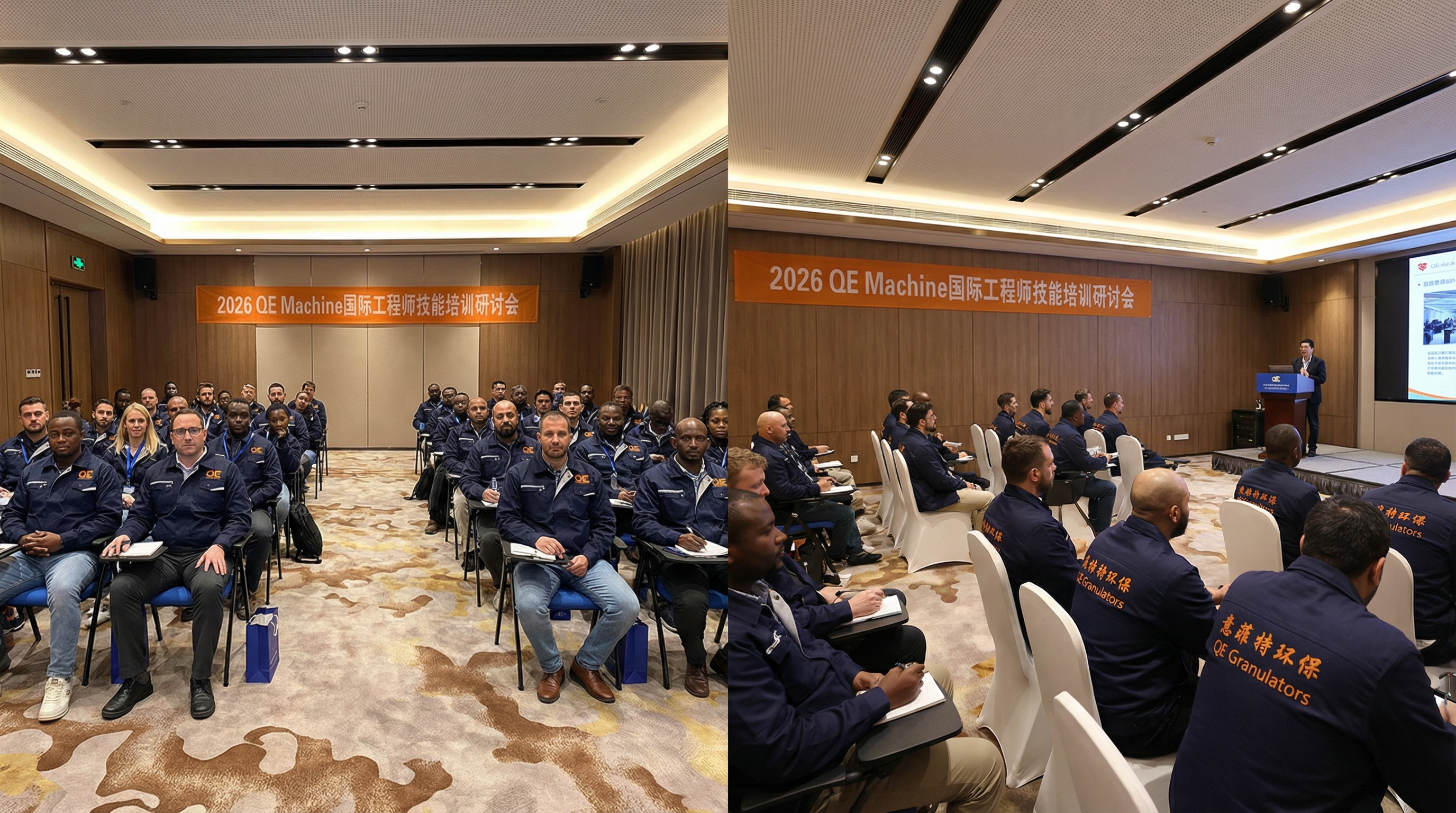
On-Site Discussion: Talking Through Real Customer Problems
During the discussion session, engineers exchanged views on practical issues commonly seen at customer sites, including material blockage, knife wear, screen replacement, noise control, energy consumption, production line connection, and on-site emergency handling.
Engineers from different markets also shared the different priorities they see from customers. Some customers care more about output and stable continuous operation, while others focus more on noise reduction and machine footprint. In some cases, customers give priority to maintenance cost and spare parts availability.
These discussions helped the team connect product knowledge with real sales, installation, and after-sales scenarios. As a result, engineers will be able to explain equipment selection logic more clearly when responding to customer inquiries, rather than stopping at the parameter sheet level.
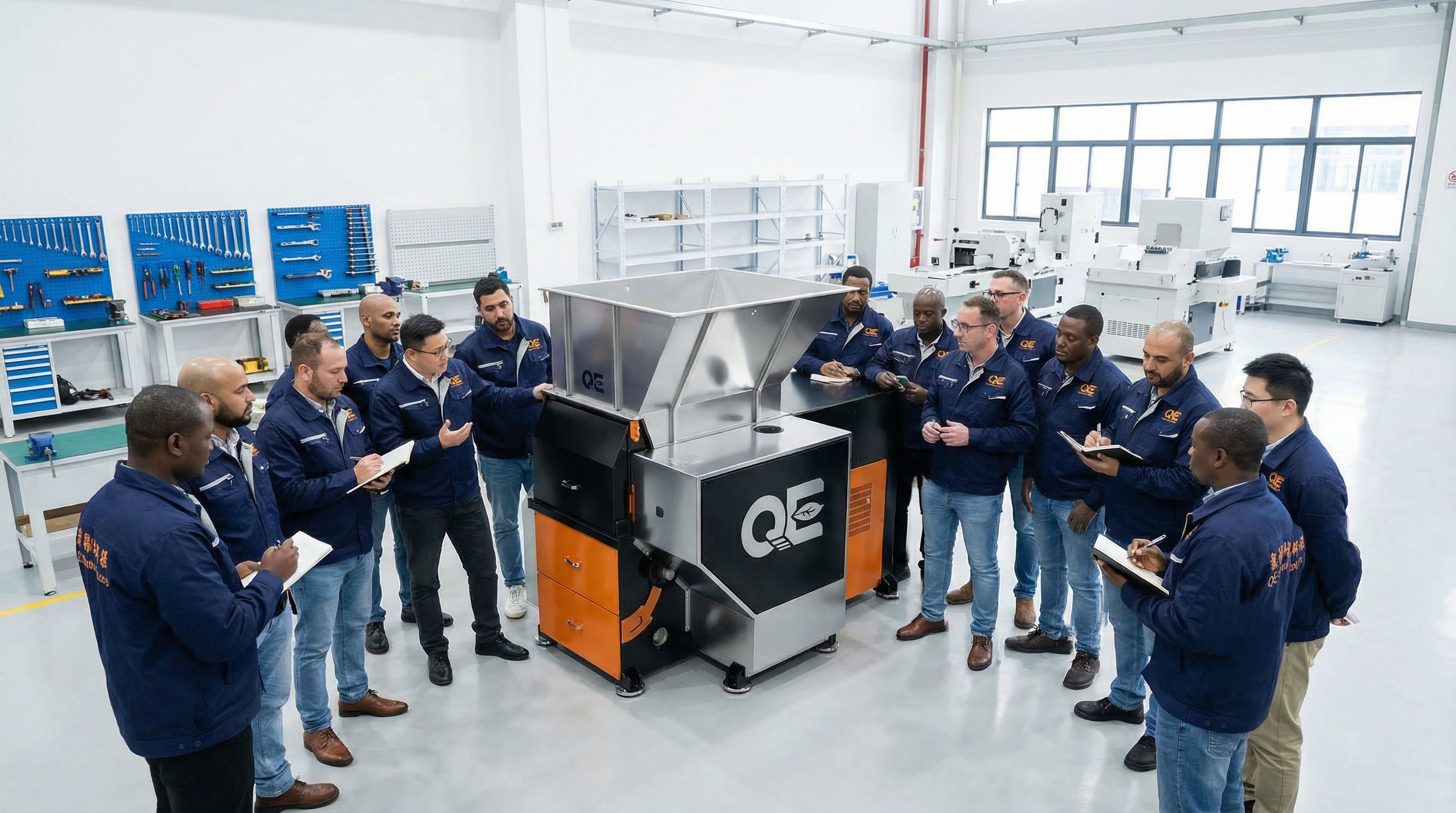
Factory Practice: Bringing Training to the Machine Site
In addition to the classroom sessions, the program also included a factory practice session. The engineering team visited the equipment display and testing area for on-site learning around equipment structure, key components, operating details, and maintenance points.
At the machine site, the team closely reviewed the feeding inlet, crushing chamber, knife system, screen position, electrical control section, and safety protection structure. Based on the actual operating flow, they also discussed installation and commissioning, operation checks, shutdown maintenance, and common fault inspection methods.
This hands-on session gave engineers a more direct understanding of how the equipment works in real production conditions, and also laid a stronger foundation for future technical communication, on-site training, and after-sales support for international customers.
Improving Global Service Capability Through Training
Through this international engineer training seminar, QE Machine further strengthened its overseas engineering team’s understanding of product structure, application scenarios, and service procedures. Compared with a simple product display, systematic training helps the team judge customer needs more accurately at the early stage of a project and provide technical support more efficiently after equipment delivery.
Looking ahead, QE Machine will continue improving its engineer training system and technical documentation, focusing on plastic recycling, crushing, granulation, and related line applications, in order to provide global customers with clearer equipment selection guidance, more stable equipment support, and more reliable long-term service.
Follow us for more
information